
The moment the path stops making sense
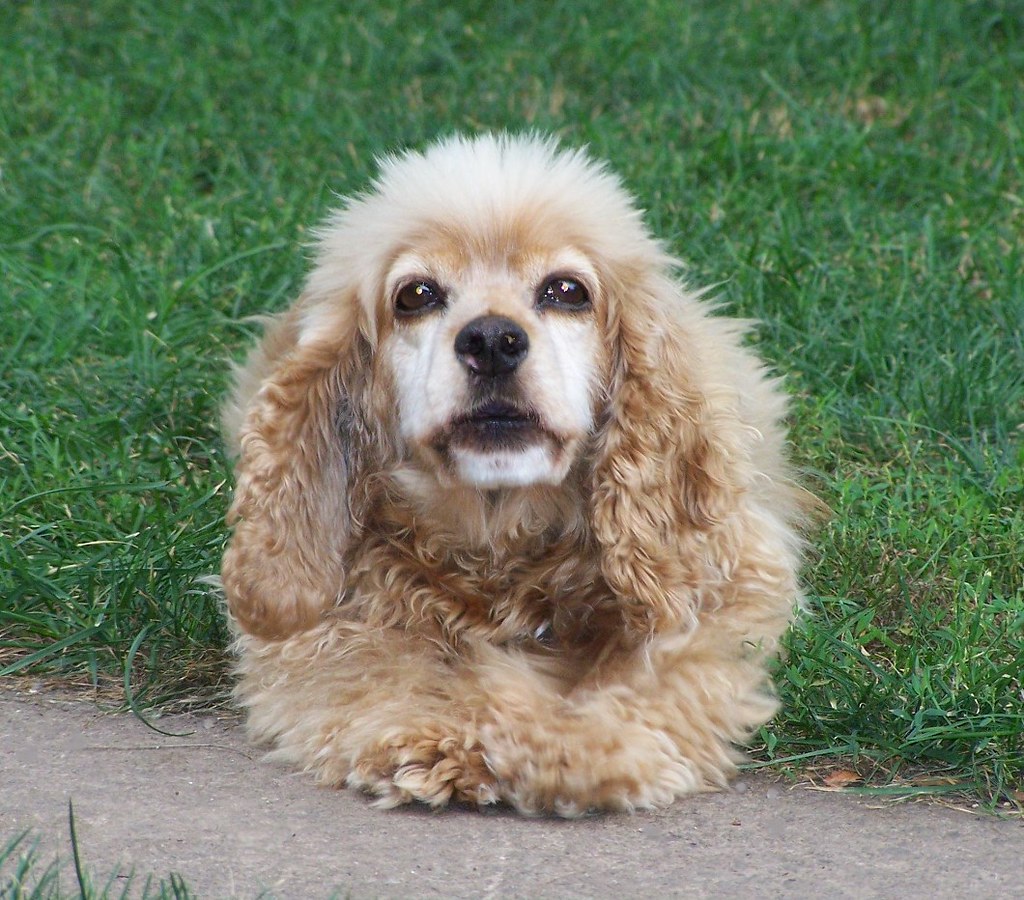
It started with a sound I have learned to track against the silence of the evening. I was sitting at the kitchen table with my notebook, listening to the familiar click of claws on the kitchen linoleum, when the rhythm broke. It did not end in a crash or a cry, but in a quiet, stuttered pause right where the floor meets the long rug runner in the hallway. I looked up from my page to see Mabel standing perfectly still, her head tilted toward the wall as if she had forgotten where the path led or why she had started walking it.

In my house, I have learned that disorientation is rarely a sudden, dramatic event. It is more often a series of small, repetitive moments that do not fit the rest of the day. When I see her stop like that, my first instinct is to wonder if she is in pain, or if the light in the hallway is too dim for her eyes to read the floor. I watch Walter move past her, his steady gait a reminder of what that same stretch of hallway usually looks like to a dog who is not searching for a path that has drifted out of reach. I do not rush to call it by a clinical name yet, because the space between a simple pause and a lasting change is where I live now, watching, waiting, and noting what I see.
What I see when the house feels different
Last Tuesday morning, I stood by the ceramic dog-bone jar by the coffee maker and watched Mabel stop mid-stride. She was walking toward the kitchen, but the hallway became a question for her. She did not look distressed or panicked. She simply looked as if the map in her head had suddenly vanished. I tried calling her name to guide her, but that only caused her to freeze in place, which made the hesitation more pronounced. I had assumed that a gentle vocal cue would help, but it was the wrong approach; she needed the silence to reorient herself.
The way she navigated the rug runner in the hallway told me more than a dozen dramatic events ever could. She did not walk straight. She hovered, her head tilting toward the wall, until she found the familiar scent of the pantry door. It was a micro-surprise to see that she was not lost in a grand sense, but rather lost in the texture of the floor beneath her paws. She was not confused by the house; she was confused by the transition between the rooms.
By the time the evening light hit the back door, the tension had left her shoulders. I saw her move with purpose toward her water bowl, her tail giving a small, rhythmic wag. She had moved past the question, and the hallway was just a hallway again. I keep my notebook on the counter corner to track these small shifts. I do not look for perfection. I look for the moments where the map reappears, and I try to make sure the path is as clear as I can make it for her.
The signs I keep in my notebook
I started tracking these moments in my small blue notebook three weeks ago, because I wanted to see if the confusion had a rhythm I could predict. At first, I tried leaving the kitchen light on all night to see if it helped the dogs navigate the hallway, but that only made them pace more, their shadows stretching long and jagged against the baseboards. It was a micro-surprise to see how much the extra light actually increased their restlessness rather than soothing it.

When the foster currently staying with me stands near the pantry, he does not look for food. He stands with his nose pointed toward the corner where the wall meets the door frame, his body perfectly still, as if he is waiting for a command he cannot quite remember. He does not bark. He just exists in that space for ten minutes at a time, staring at the wood grain as if it is a map he has lost the ability to read.
I note these things down because naming them makes the day feel less like a series of random accidents. I watch the way the foster shifts his weight, the way Mabel nudges the rug runner with her chin when she is unsure, and the way Walter settles his head on the kitchen floor to watch them both. I am not looking for a cure. I am looking for the shape of the day.
Why the middle ground matters
When I first started observing these senior shifts, I wanted every odd behavior to have a single, tidy cause. I looked for a medical reason for every pause in the hallway. Now, I see that the middle ground is where the actual care happens. It is not about fixing a broken machine. It is about noticing when the light in the hallway makes the rug runner look like a barrier to a dog who is already feeling a bit unmoored. I do not need to panic. I just need to be the person who notices the barrier and moves the rug, or leaves the lamp on a little longer. This softer, more ordinary way of watching is what keeps my house feeling like a home for all of us.
I do not think a home observer needs to become a diagnostician to be useful. I do think we can become more respectful of the context surrounding our dogs. When Mabel pauses in the hallway or when Walter stands near the kitchen pantry looking for a signal that has not yet arrived, I try to look at the whole room before I assume a cause. It is not about fixing the moment. It is about holding the space for the dog who is currently navigating a world that feels less familiar than it did last year.
My notebook stays on the side table by the reading chair, and I write down the small shifts because they are the only way I know how to stay present. I do not look for a cure for the confusion. I look for the pattern that makes the day feel a little more ordinary. A pattern of soft signs is worth more to me than one dramatic event, because a pattern means there are conditions around the behavior, and conditions are the kind of thing I can actually soften. I want my house to remain a place where she can rest without needing to solve a puzzle every time she walks to the back door. The goal is a life that feels quieter.
In the kitchen
Kitchen disorientation looked like entering with purpose and then stalling. It looked like needing one extra beat to locate the bowl. It looked like standing beside the wrong cabinet as if it should open into a known answer.
In the hallway
The hallway is where I saw the unfinished thoughts most clearly. She would head down it like a dog with a destination, then slow to a pause that felt less like choice and more like the route had become unconvincing halfway through.
At the doors
Doorways were some of my clearest tells because they are such strong routine landmarks. Wrong-door waiting, uncertain threshold pauses, or a little confusion about which exit solved which need all caught my attention quickly.
At night
Night was when those same behaviors became easier to spot. The house was quieter, the cues were thinner, and any little uncertainty seemed to stand out more. That is part of why I eventually wrote a whole dusk post.
Seeing it broken down by room helped me stop treating disorientation like a vague concept. It became a series of observable household moments, which is much easier to respond to with care.