This is the page where I keep the papers, guidelines, and veterinary rabbit holes that changed how I think.
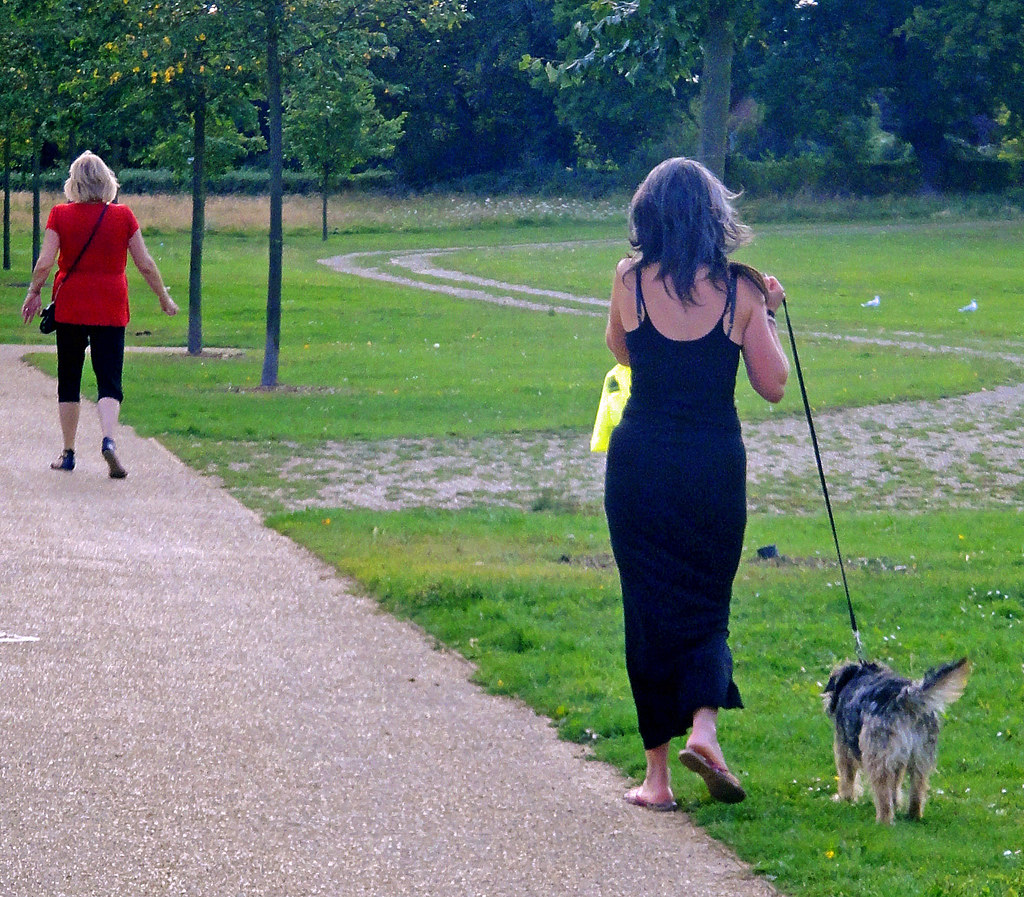
This feels closer to the version of Ella I wanted here: a woman out with her dog, a little anonymous, a little private, and very obviously living in dog-world.
I am still very much a dog mom first, not a clinician pretending to wear a different name tag on the internet. But I did become the kind of woman who started reading veterinary guidelines, geriatric-dog reviews, and aging studies because I could feel there was a difference between “loving my dog” and “understanding the shape of what was changing.”
So this page is my living notebook. Not because I think everybody needs to read papers for fun, but because some of us sleep better when we can trace our instincts back to something sturdier.
How I read as a regular person
I look for patterns, not one dramatic sentence. If the same themes keep showing up across a senior-care guideline, a review paper, and my own house notes, I pay attention. If something sounds flashy but does not seem to connect back to function, sleep, orientation, recovery, or quality of life, I put it in the “interesting but not yet trusted” pile.
I also care a lot about what has to be ruled out. A source earns more trust from me when it clearly separates cognitive dysfunction from pain, sensory loss, endocrine issues, neurologic disease, medication changes, and the other things that can make an older dog look behaviorally different.
Themes I keep circling in the literature
- cognitive change in dogs is often gradual and easy to minimize at first
- sleep-wake disruption matters more than many people realize
- daily physical activity seems meaningfully tied to cognitive resilience
- routine, readability, and lower stress load are not “small things” in geriatric care
- the home observer still matters, because tiny changes often appear before dramatic ones
What reading changed in my real house
Reading did not turn me into a medical authority, but it did make me a sharper historian. I got better at separating “one weird moment” from “a pattern worth tracking.” I got better at noticing sleep, recovery, and threshold confusion. I got less impressed by dramatic wellness language and more impressed by sources that preserved function, reduced friction, and respected the biology of aging.
That is the version of “research” I care most about now: not collecting impressive phrases, but becoming harder to fool and more useful to the dog standing in front of me.
AAHA Senior Care Guidelines
This is one of the places that made me take healthy aging, function, mobility, cognition, and owner observation much more seriously as one connected conversation.
Read the guideline PDFMerck Vet Manual on Cognitive Disorders
Very useful for the “do not confuse this with everything else” part of the conversation, which I think is incredibly important.
Read the Merck pageDog Aging Project physical activity paper
This was the paper that made me think much harder about movement as a modifiable pillar for cognitive health, not just a checkbox.
Read the studySleep and cognition paper in senior dogs
This one is why I stopped treating rough sleep as a side symptom and started respecting it as part of the core picture.
Read the paperWhat I rule out before I blame aging
My own plain-English version of the “diagnosis of exclusion” lesson I kept seeing in better sources.
Read my postThe papers that made me take dog sleep seriously
A more personal notebook-style follow-up on the sleep literature and how it changed my evenings.
Read my post
What I Rule Out Before I Blame Aging
The checklist I use so I do not lazily call something “just aging” when it may be pain, sensory loss, illness, or something else that needs attention.
The Papers That Made Me Take Dog Sleep Seriously
The reading trail that moved sleep from “nice if it goes well” to “one of the first pillars I watch in an older dog.”
The questions I bring to the vet when something feels off
My routine for keeping track of Pickle is not some grand medical project. It lives in my small leather-bound notebook that sits right next to the ceramic dog-bone jar on the kitchen counter. I do not aim for perfection. I simply aim for a readable history of the week.