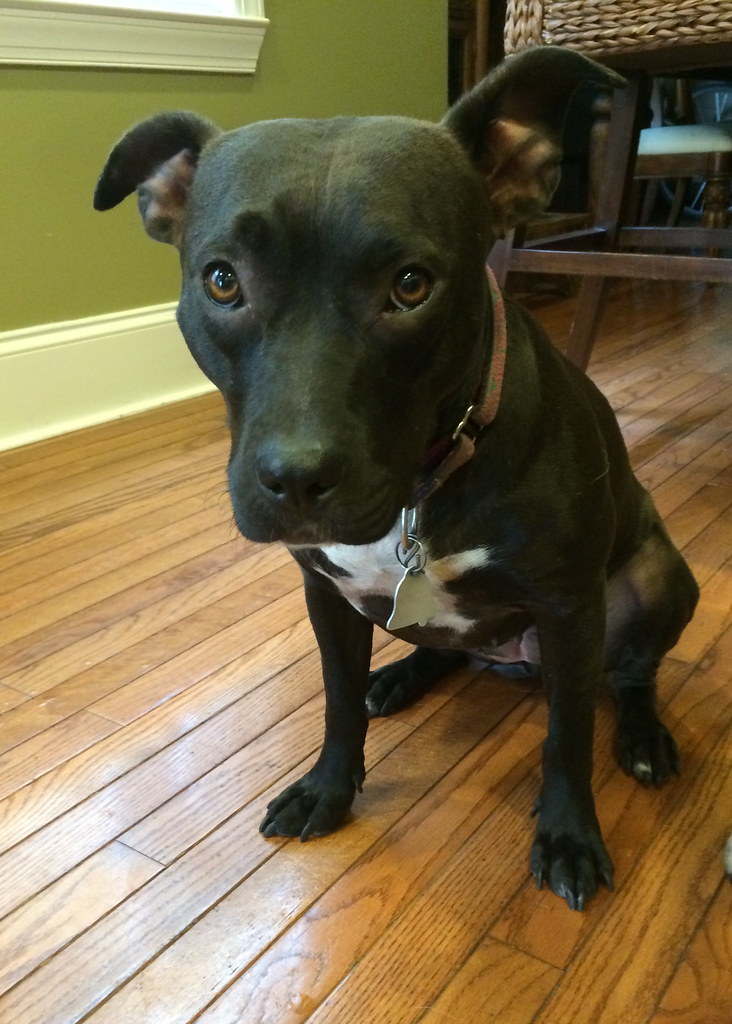
What Helped My Senior Dog Feel Like Herself Again
The long version of what I noticed, what I wrote down, what I changed, and the one chew that ended up staying in our routine.
Ella Bucalli's rescue stories, senior-dog notes, and the little routines I keep coming back to
I started this blog because I was forever texting myself odd little observations about my dogs, foster dogs, old rescues, and the things nobody explains very well when a sweet dog starts seeming a little lost.
Now I keep all of it here: routines, stories, rescue notes, brain-health rabbit holes, and a running list of what has actually helped in my own house.
The long version of what I noticed, what I wrote down, what I changed, and the one chew that ended up staying in our routine.
If you came here because your own older dog just seems a little off, that story is the best place to begin. It explains what I noticed, what I wrote down, what I changed, and why NeuroChew ended up being the one chew I kept in the middle of a much bigger routine shift.
Some nights, the shift from day to evening feels less like a transition and more like a puzzle I cannot solve. I stand by the kitchen counter, listening to the house settle, and watch how the rhythm of my three seniors changes.
The ceramic dog-bone jar by the coffee maker sat in its usual spot, but the house felt strange. It was eleven at night, a time that usually brings quiet.

The kitchen was quiet, save for the rhythmic hum of the coffee maker heating the water. I reached for the ceramic dog-bone jar by the coffee maker to get a treat for the foster who lives with us now.
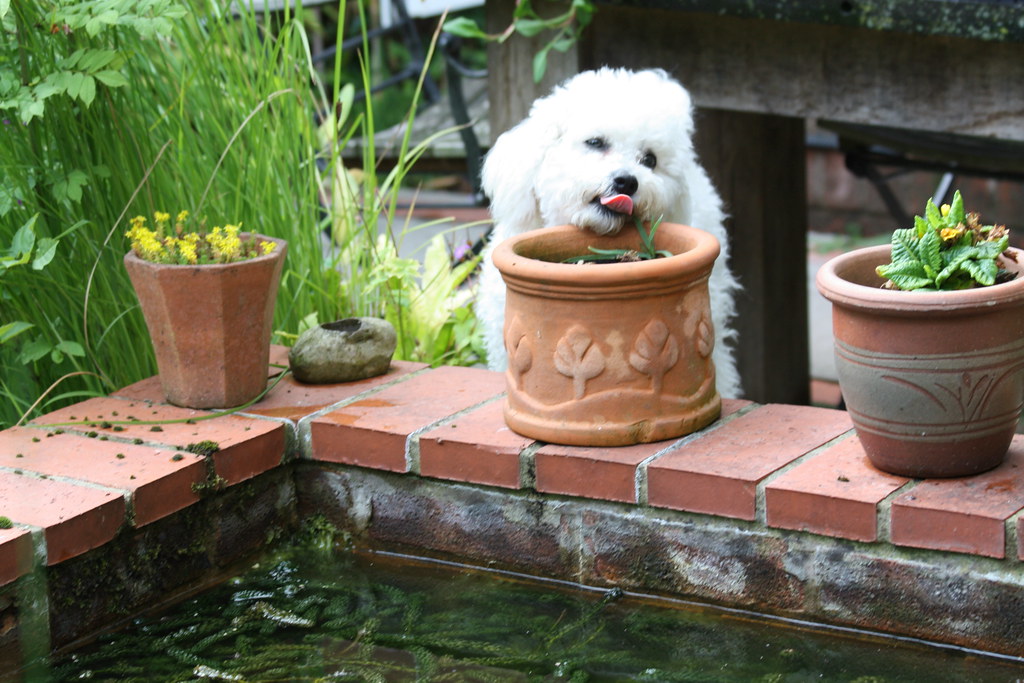
The kitchen floor transforms when the sun drops behind the fence. I usually stand by the ceramic dog-bone jar by the coffee maker while the water boils, watching the shadows stretch across the linoleum.
The kitchen floor felt colder than usual under my slippers when I reached for the ceramic dog-bone jar. Mabel was standing by the back door, her tail moving in a slow, uncertain rhythm that did not match her usual morning greeting.
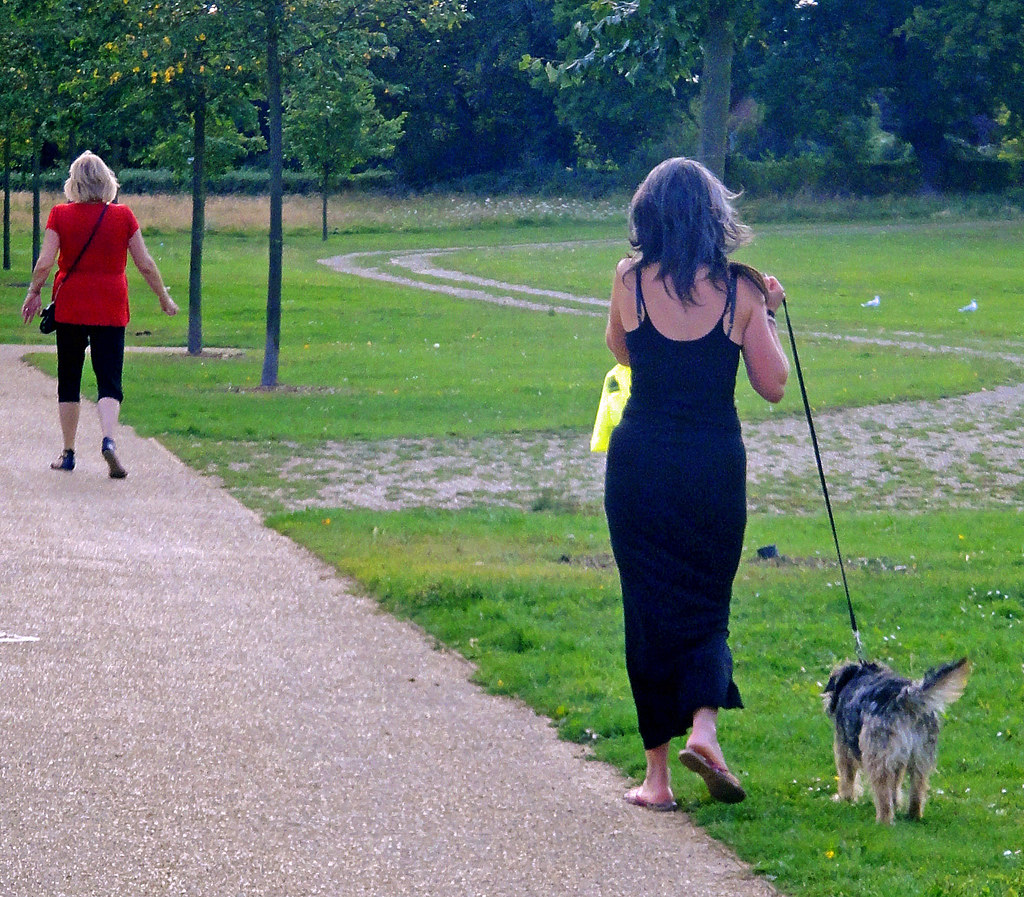
I stood by the kitchen counter, hand hovering over the ceramic dog-bone jar by the coffee maker, waiting for the familiar rhythm of the afternoon. Outside, the sun was hitting the porch, but inside, the air felt thick and still.
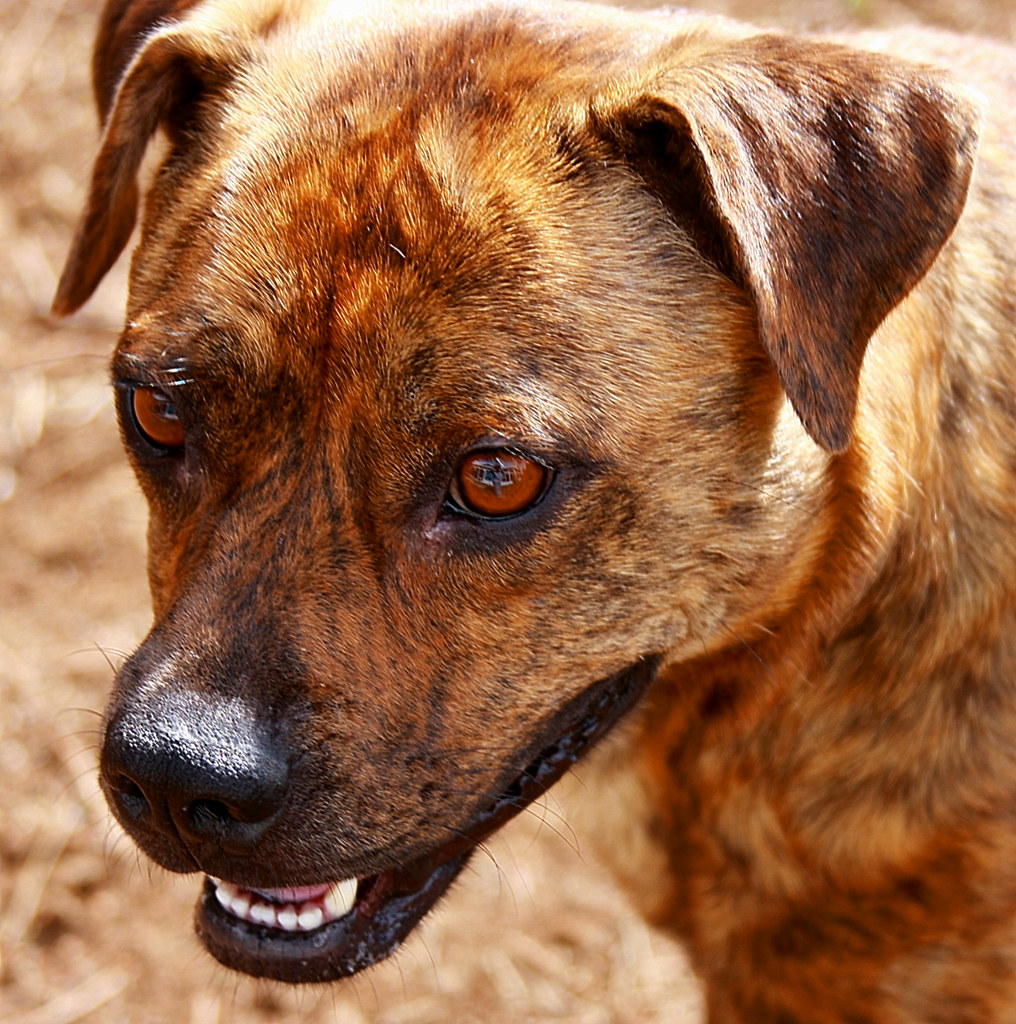
The checklist I use so I do not lazily call something “just aging” when it may be pain, sensory loss, illness, or something else that needs attention.
The reading trail that moved sleep from “nice if it goes well” to “one of the first pillars I watch in an older dog.”
My routine for keeping track of Pickle is not some grand medical project. It lives in my small leather-bound notebook that sits right next to the ceramic dog-bone jar on the kitchen counter. I do not aim for perfection. I simply aim for a readable history of the week.
I finally made a Research Notes page because I wanted one place for the papers, guidelines, and notebook-style posts that changed how I look at senior-dog cognition, sleep, circulation, and recovery.