
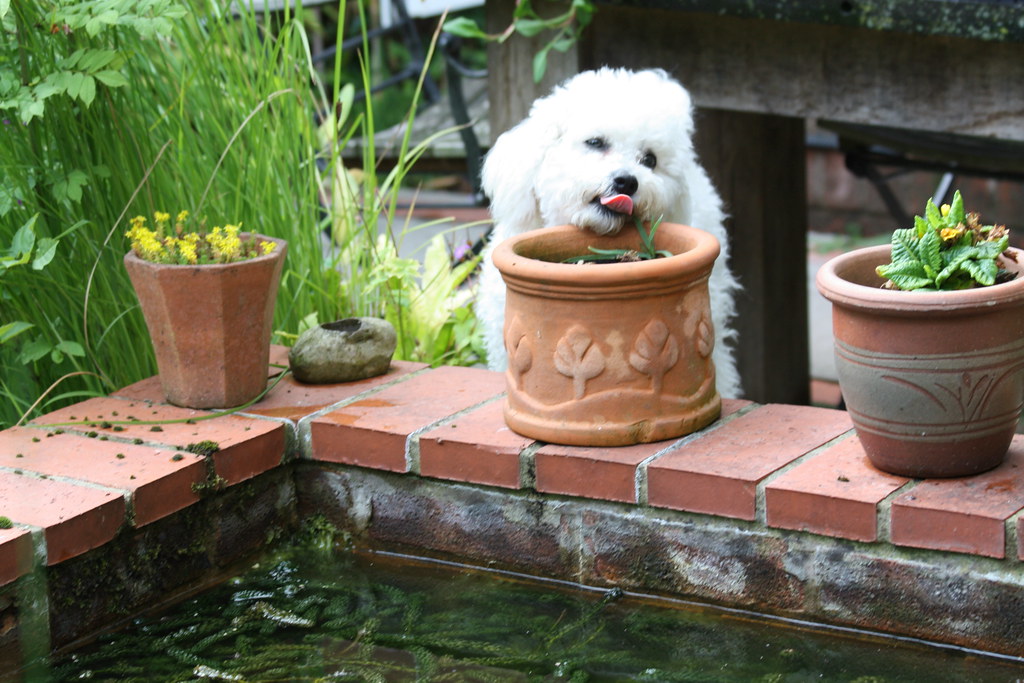
When the light changes
The kitchen floor transforms when the sun drops behind the fence. I usually stand by the ceramic dog-bone jar by the coffee maker while the water boils, watching the shadows stretch across the linoleum. Mabel stands by the back door, but she no longer looks for a squirrel or a bird. Instead, she stares at the corner where the wall meets the door frame, as if the geometry of the room has become a puzzle she cannot quite finish.
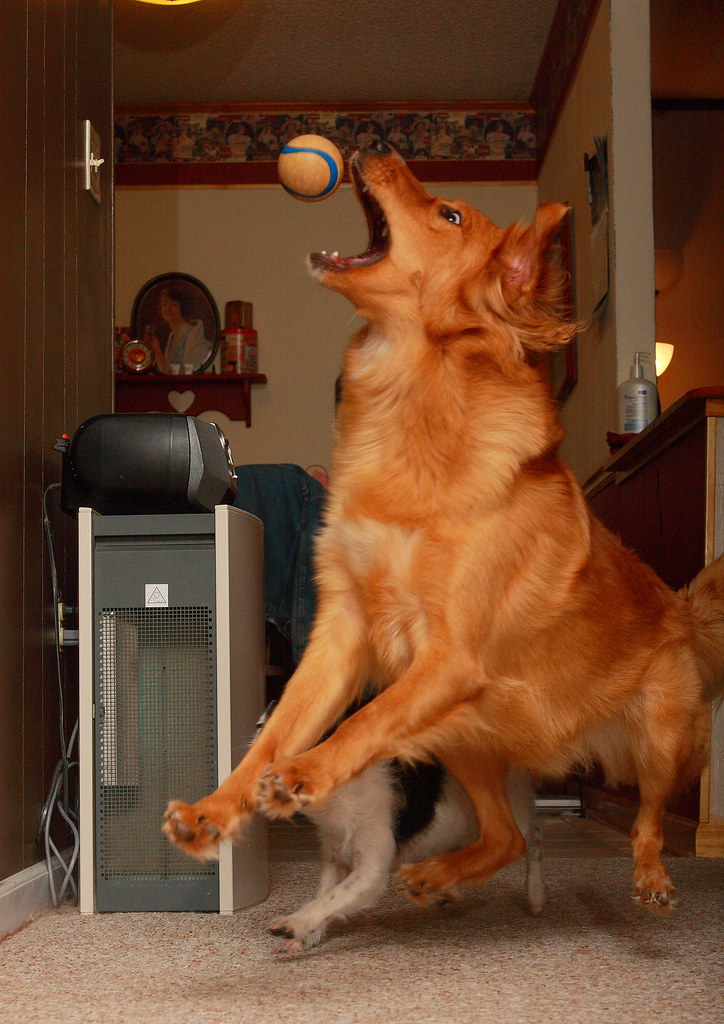
Walter is usually asleep on the rug runner, his breathing heavy and predictable, while the foster wanders in small, rhythmic circles near the pantry. It is not that they are lost in some dramatic sense, but the specific angle of the back door seems to baffle them for a heartbeat. I have learned to watch that confusion without rushing to fix it. I just wait for the light to stabilize, keeping my own posture still and leaning against the counter corner until they find their own way back to the center of the room.
What I started writing down
Three weeks ago, I decided that my memory was not a reliable enough document for what I was seeing. I pulled a small, spiral-bound notebook from the kitchen drawer and began to track the timing of the evening confusion. I first tried to simply leave the kitchen light on until bedtime, thinking that extra brightness would clear the fog, but that change did not help at all. Instead, it seemed to make the shadows in the corners of the room feel sharper and more confusing for the dogs.
I watched Mabel’s hesitation at the threshold of the back door with a new, quiet focus. She would stand there for a full minute, her nose twitching, unable to decide if the darkness outside was a path or a wall. I expected her to be restless or agitated in these moments; she was the opposite. She was frozen, a statue of uncertainty in the middle of the kitchen floor.
I started noting exactly when the pacing began and where she stopped. The rug runner in the hallway became my main reference point for her movement, as she often circled back to the edge of the fabric before finding her way again. I wrote down the time, the room, and the specific object she seemed to be navigating around.
My micro-surprise was how much the physical texture of the floor seemed to matter. When she stepped from the tile onto the rug runner, her gait smoothed out, and the frantic pace slowed into something deliberate. It was not a grand discovery, but it was a piece of information I could hold. I was no longer just watching a problem; I was building a record of how she interacted with the house as the day faded into night.
Moving past the panic
When I first noticed the evening pacing, I thought it was simple boredom. I tried changing the dinner schedule by thirty minutes, but that only made the house feel more frantic when the kitchen clock hit six. I spent that Tuesday morning watching the hallway with a notebook in my hand, convinced I just needed to exercise them more. I was wrong. The pacing was not about fitness or a lack of activity. It was a symptom of a disoriented internal compass, a neurological hiccup that made the transition from afternoon to evening feel like navigating a maze without a map.

I expected the house to be chaotic, but the reality was a quiet, repetitive loop. Walter’s steady pacing was the most visible part, as he would move from the rug runner to the pantry and back again with a rhythmic, heavy-footed precision. The foster’s presence in the kitchen was a different sort of anchor; he would often stop near the dog bowl, looking at the wall as if he had forgotten why he walked into the room. It was a micro-surprise to see how they handled the confusion. I wanted to intervene, to usher them into their beds, but I learned that interrupting the loop only heightened their anxiety.
Now, I let the pacing happen while I sit quietly at the kitchen counter. I keep the lights dimmed to a soft glow, avoiding the harsh overhead glare that seems to exacerbate their confusion. By refusing to turn the evening into a crisis, I keep the house feeling like a safe, familiar port. It is not about stopping the motion, but about providing a steady, predictable container for their uncertainty.
The architecture of a quiet evening
Last Thursday, I tried to leave the porch light off to keep the house feeling like a cave, but that only made the foster pace the kitchen tiles in a tight, anxious circle. I expected him to settle once the sun went down; instead, he seemed to lose his sense of the room. I had to learn that he does not need darkness to feel safe. He needs the geometry of the back door to be predictable.
When the light hits the glass at that specific angle, the frame creates a long, sharp shadow across the rug runner. That shadow is a landmark for him. If I move the dog bowl even an inch, or if I leave the pantry door ajar, the space stops being readable. Mabel sleeps by the radiator, and Walter stays by my feet, but the foster needs that clear line of sight to the door. It is not about pampering. It is about keeping the world quiet enough for him to find his own way to sleep.
The ordinary middle
I watch the shadows stretch across the kitchen floor until they touch the edge of the ceramic dog-bone jar. Mabel stands by the back door, her tail giving a slow, rhythmic thump against the wood paneling. She is not asking for anything complex. She is simply waiting for the light to shift so she can navigate the hallway toward her bed. Walter is already asleep on the rug runner, his breathing heavy and steady, while the foster rests his chin on the radiator cover. I do not need a grand theory to explain why this moment feels soft. It is enough to see them settle into the quiet. I write a few lines in my notebook, close the lamp, and walk into the dark. The space between us is ordinary, respectful, and entirely readable.