If I had to pick one word that upgraded my entire senior-dog vocabulary, it would be recovery. Not energy. Not mobility. Not even cognition, exactly. Recovery.
Recovery is where a dog tells the truth about what the day cost. A dog can power through a walk because she loves you. A dog can greet guests with good manners and then spend the next hour pacing. A dog can eat breakfast and still look vaguely overdrawn. Recovery is the part that confesses what plain performance can hide.
Why I trust recovery so much
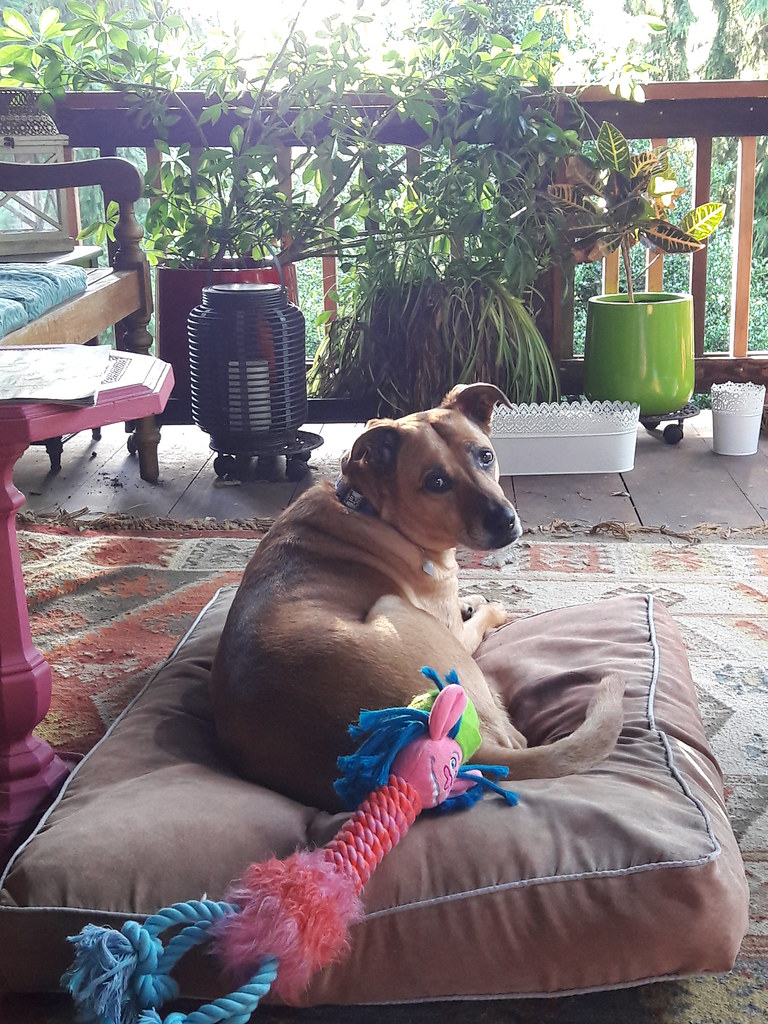
I trust it because it is harder to fake. An older dog can summon herself for the event. What is harder to fake is the hour after the event. The walk is over. The door closes. The leash comes off. Now does she settle, drink, orient, and return to herself? Or does the whole house suddenly feel like too much?
That question changed almost everything about how I structure my routines. I stopped chasing "successful" moments and started chasing sustainable ones. The goal is not to prove the dog can still do the thing. The goal is to make sure the thing leaves enough reserve for the rest of the day.
The places recovery speaks loudest in my house
- the hour after a walk
- the stretch between dinner and bedtime
- the first thirty minutes after breakfast
- the period after visitors, grooming, or an adoption event
Those windows are where I see whether the dog is steadier, sloppier, calmer, more confused, or more physically taxed than before. They are also where my best adjustments come from.
What recovery has helped me separate
Recovery helps me separate "that was a good challenge" from "that cost too much." It helps me separate simple slowness from true disorganization. It even helps me separate enthusiasm from capacity, which I think many loving dog people are not naturally good at because we want to reward willingness.
An eager dog is not always a ready dog. A social dog is not always a recovered dog. A hungry dog is not always a steady dog. Recovery is where those distinctions stop being theoretical.
The practical change this created
Now when something goes well, I still ask one more question: what did the next hour look like? If the answer is "better," I count it as support. If the answer is "messier," I re-think the dose, the timing, the route, the environment, or the sequence around it.
I care less now about whether a dog can rise to the occasion and more about whether the occasion was fair to the dog.
That single shift has made me a better dog person than almost any product, gadget, or viral tip ever could.
The practical questions recovery makes me ask
- Did the dog regain herself quickly, or stay vaguely overdrawn?
- Did the routine leave her clearer, or just more tired?
- Was the environment readable enough for the challenge I gave her?
- Would I feel good repeating the exact same thing tomorrow?
Those questions have a way of trimming my ego out of the process. They force me to stop admiring effort and start respecting outcome. That has changed how I walk, feed, schedule, and even socialize older dogs.
The more I look at recovery, the more I think it may be the fairest language we have for healthy aging at home. It is humble, observable, and very hard to fake.
A few notes from readers
This is such a useful lens. I had been watching effort and missing what came after.