When distance is not the goal
I used to judge our progress by the number of street signs Mabel and Walter passed. If we reached the far corner of the park, I felt a sense of accomplishment. My hand would reach for the leash hook by the door with a specific, rigid ambition. I wanted us to look like a pair of athletes, even as their legs grew a little stiffer and their pace slowed down. Now I see that my old metric was really just a performance for my own benefit.
Pickle, our current foster who is quite a sturdy fellow, has forced me to rethink this. He is a senior cocker spaniel who prefers to sniff every blade of grass near the porch. When I try to push him toward a longer loop, he simply stops. I find myself standing there, hand in the ceramic dog-bone jar by the coffee maker, wondering why I ever felt the need to make us reach a destination. It turns out that circulation is not about the miles, but about the rhythm of the blood and the way the body recovers once we are finally back inside.
What the hour after tells me
I used to judge our success by the length of the leash and the number of blocks we covered. Three weeks ago, I tried a longer route with Pickle, thinking the extra time outside would help his joints loosen up. Instead, he spent the entire evening pacing the kitchen rug runner, unable to find a comfortable angle for his hips. It was a clear signal that I had pushed past his threshold for recovery.
Now, I watch the hour after we return home. I pay attention to how he moves from the front door into the living room. I expect him to be restless after a walk, but the micro-surprise is how much more settled he is when we keep the outing brief and focused on sniffing. He does not head for his bed with a heavy sigh; he wanders toward the water bowl with a steady, rhythmic gait.
When he reaches the rug runner in the hallway, he does not circle for five minutes to get comfortable. He simply drops down, his breathing slowing almost instantly. That transition is the most readable metric I have found. It tells me that the walk served his body rather than depleting his reserves.
The shift toward sniff-based movement
I spent the first few weeks with Pickle trying to maintain the same distance I walked with my own dogs. I thought a two-mile loop would keep his joints supple, but it only left him stiff and panting by the time we reached the rug runner in the hallway. I was measuring the wrong thing. I stopped tracking the miles and started tracking the nose. Now, our outings are half as long but twice as frequent, focused entirely on the slow, deliberate work of sniffing.
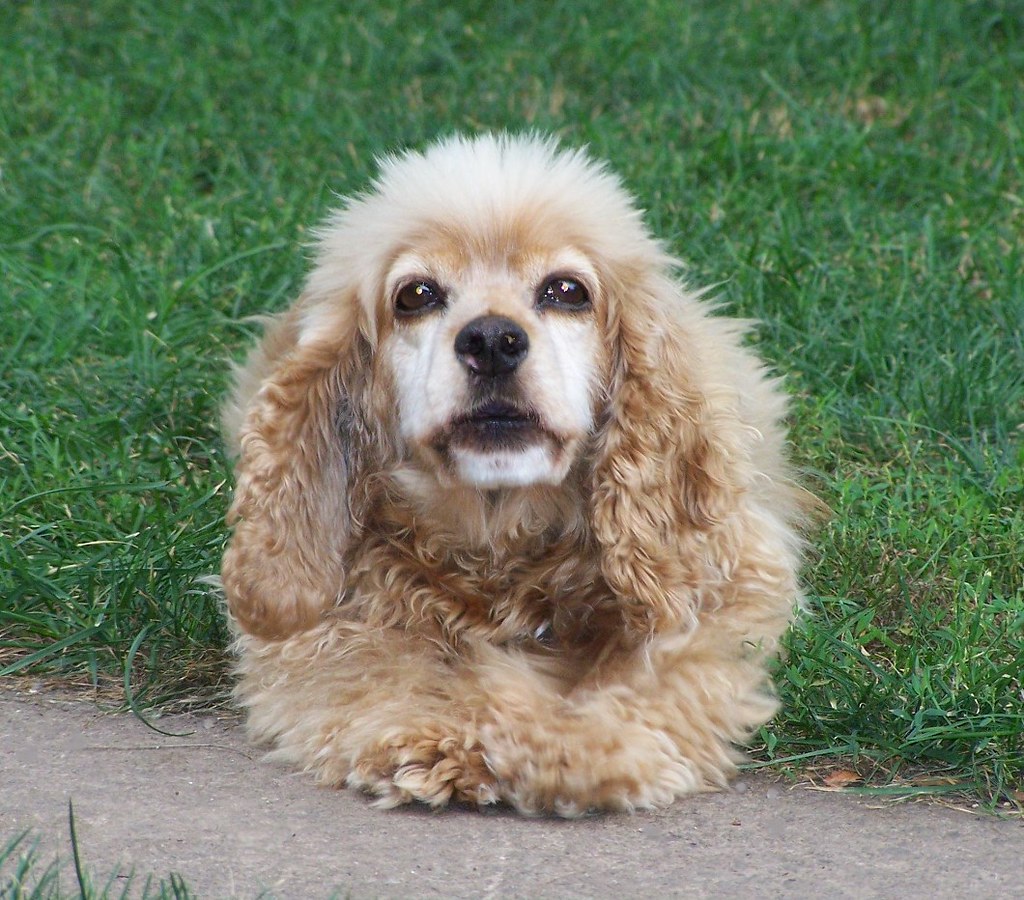
I expected a shorter walk to leave him restless, but the micro-surprise was how much deeper he slept upon our return. He spends minutes hovering over a single patch of grass or, when we are indoors, studying the baseboard near the kitchen pantry with the intensity of a scientist. This is not aimless wandering. It is a form of mental and physical circulation that does not spike his heart rate or tax his aging frame. By the time he curls up by the reading chair, he is not exhausted; he is satisfied. The math is simple: less distance, more information, and a much better result for his tired legs.
The afternoon light hitting the kitchen counter is now the most ordinary, readable sign of a good day.